The full story
Three-plus years, told as six headline chapters. Open any one to go deeper.
Rightmove is the UK's largest property portal, with 140 million+ visits per month. Historically, we operated as a search platform, with the relationship ending once someone found a home. Homeowners are a highly valuable audience, yet we had no existing way to identify, understand or serve them.
For three years, I was the continuous and sole design owner of the Homeowners initiative. While product managers and engineers rotated through the team, I remained responsible for shaping the long-term vision, uncovering new opportunities, and evolving the product through more than 35 experiments.
MVP live within a quarter. Then 35+ experiments, roughly one every sprint, and a single placement change that tripled registrations in one month.
Three-plus years, told as six headline chapters. Open any one to go deeper.
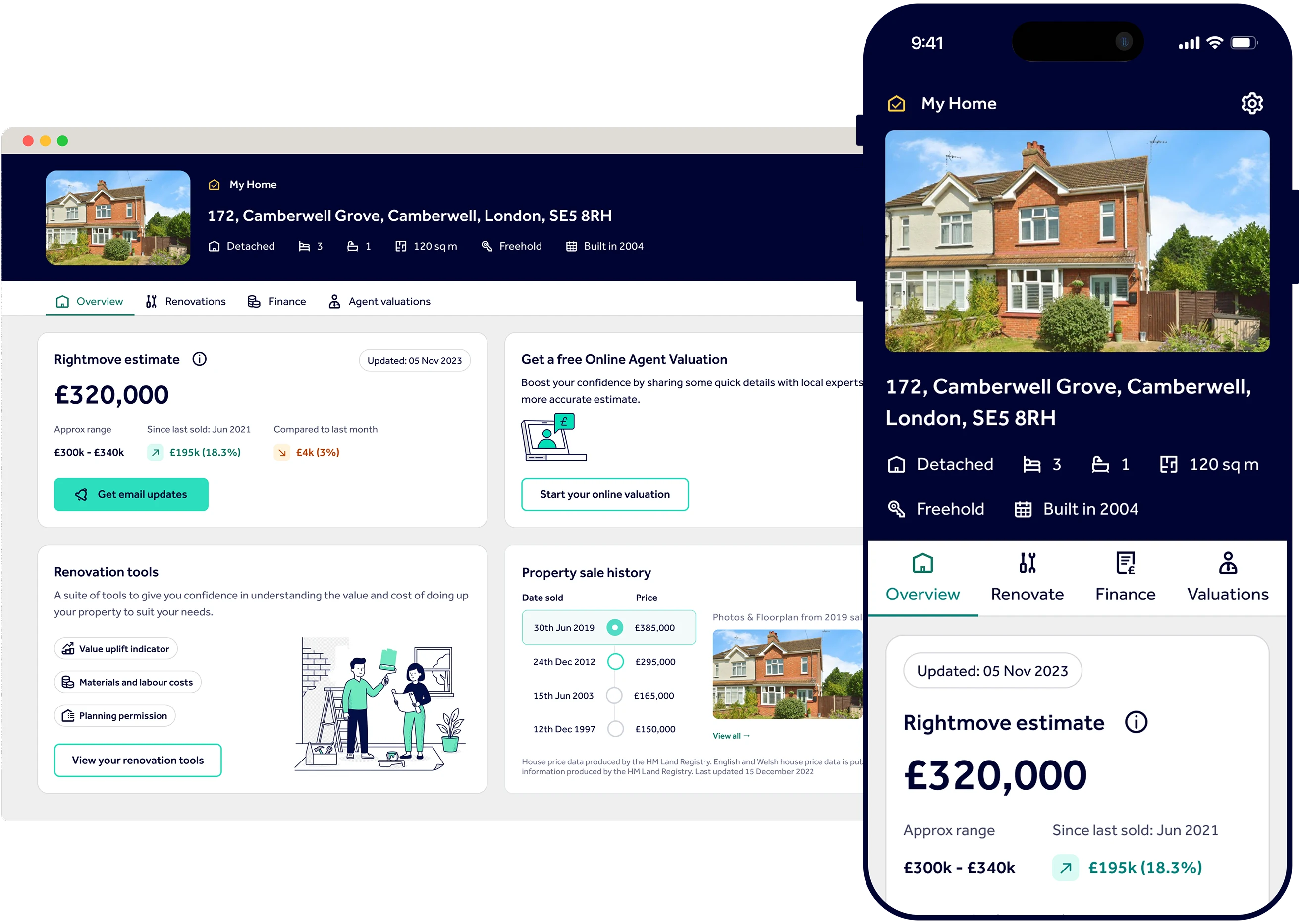
What started as a simple property estimate became a hub homeowners return to throughout their ownership journey, helping them understand, improve and finance their home, while surfacing relevant products and services when they matter most.
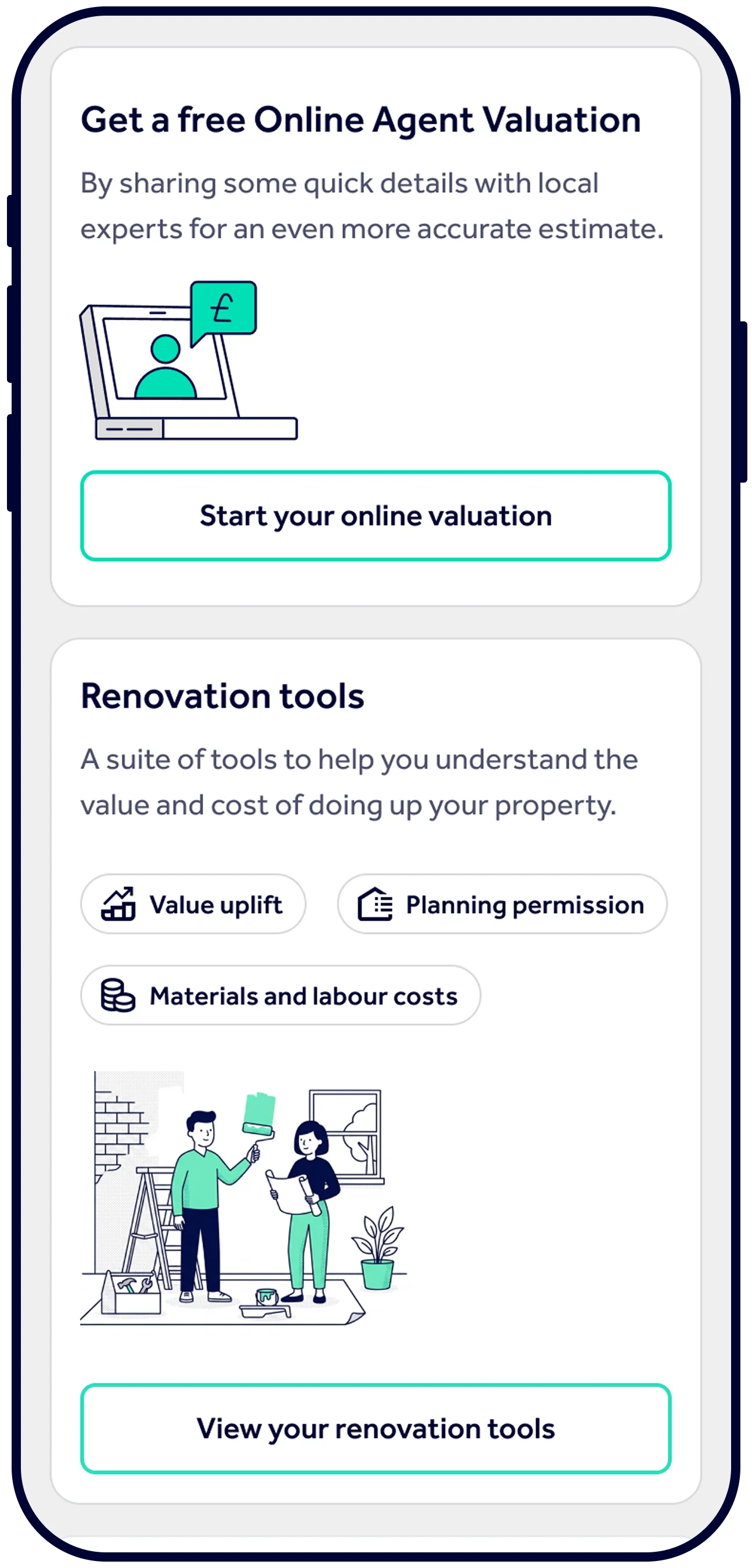
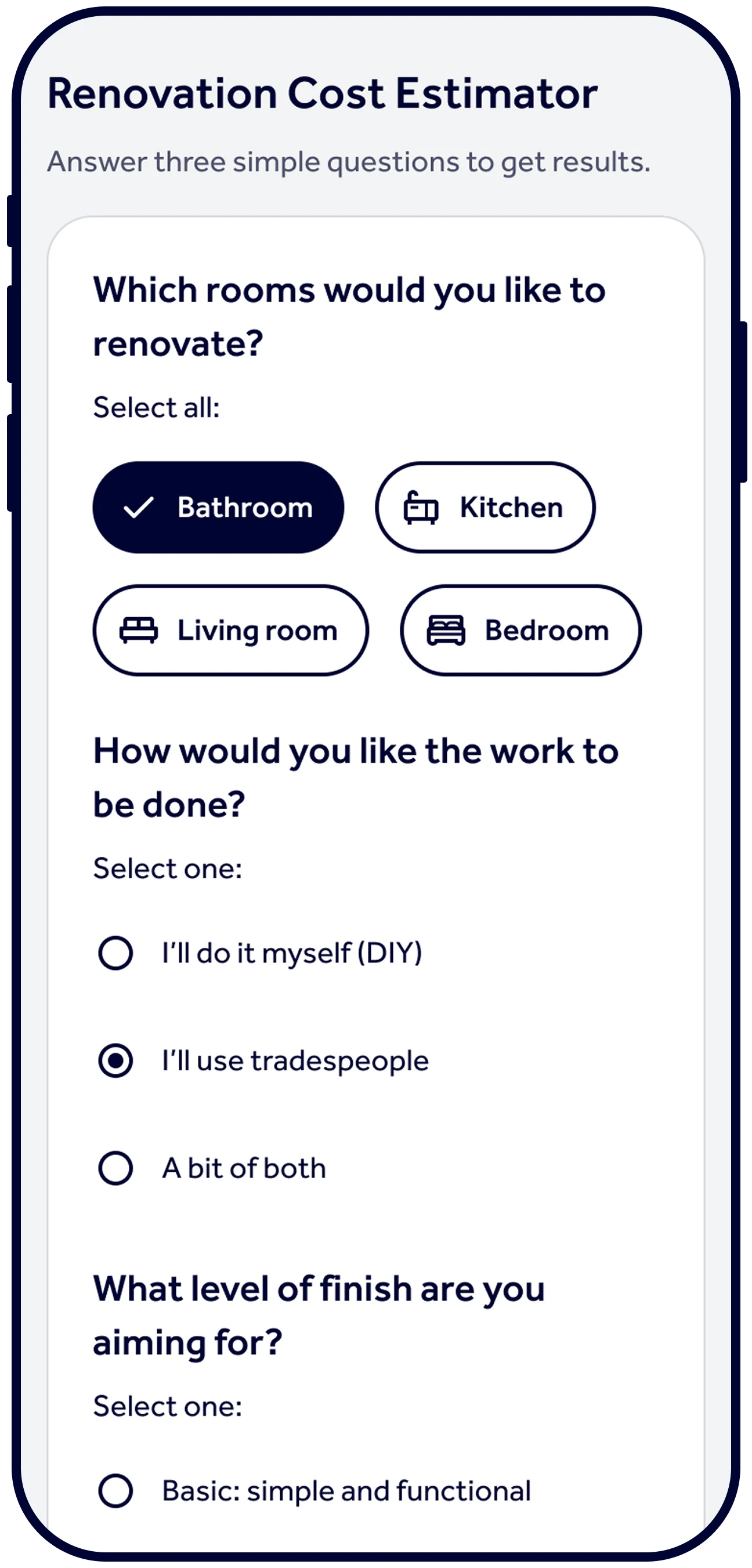
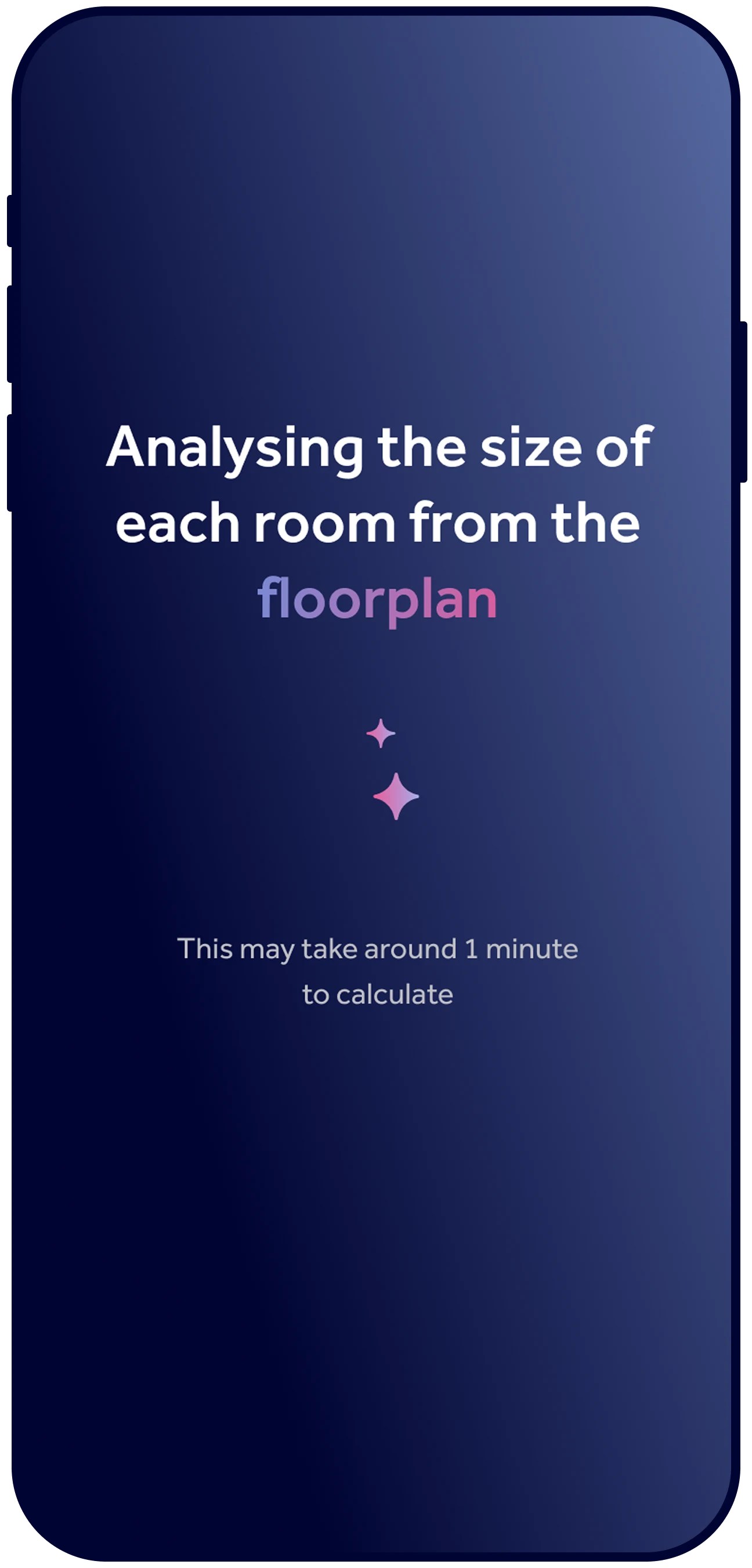
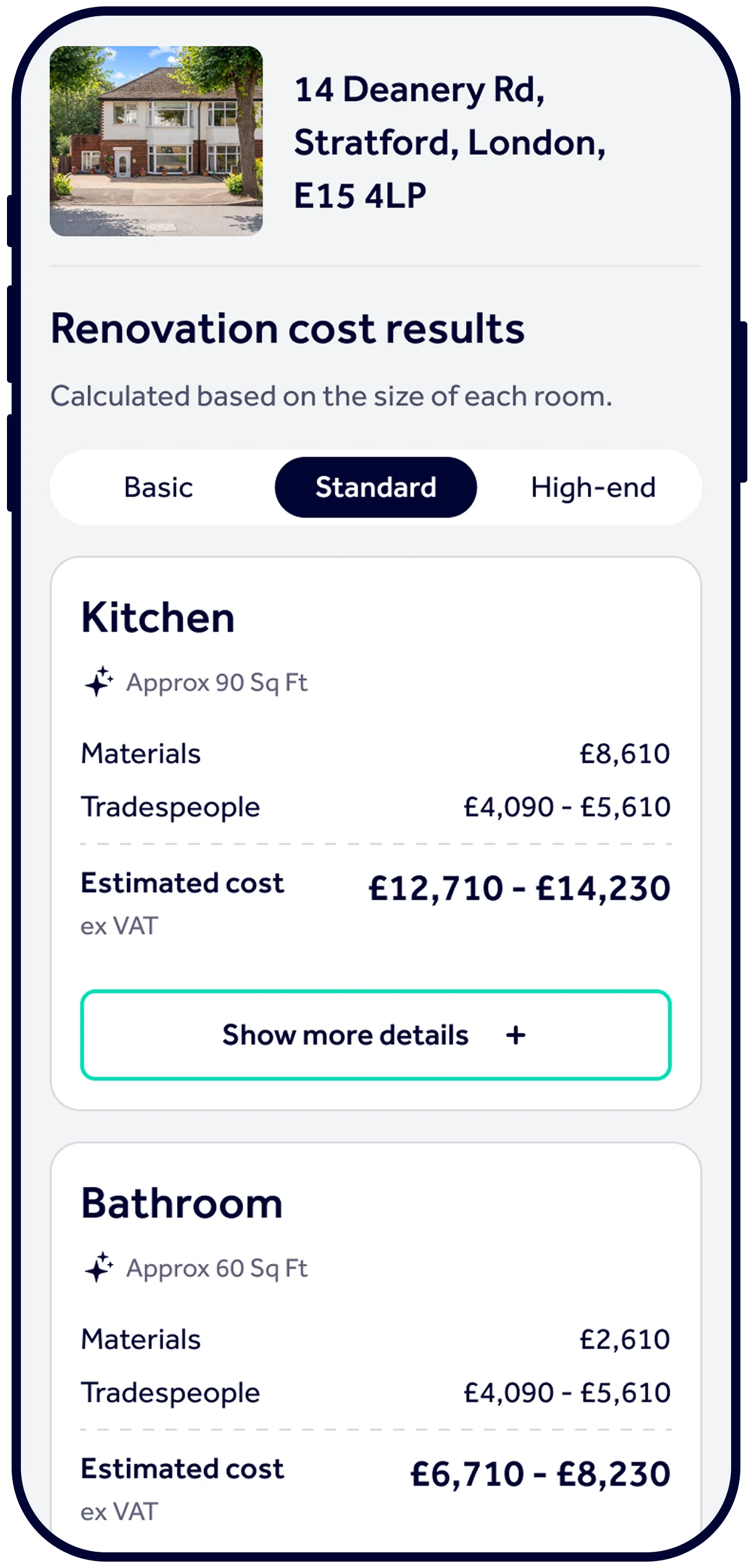
Beyond what a renovation adds, homeowners wanted to know what it costs. Answer three questions and the tool reads room sizes from the property’s floorplan, then returns costed estimates by room at three levels of finish.
I'm not going to pretend every bet worked. These are the four I would call out plainly.
These are the choices that made the work strategic, not just well-executed.
Trust came before monetisation. If the product felt like a lead trap, homeowners would not identify themselves.
Most homeowners were not moving. The product had to work for curiosity, confidence and ownership, not just transaction intent.
We fixed the funnel before chasing distribution. That sequence made the biggest growth moments durable rather than spiky.
The estimate opened the conversation, but did not pretend to replace professional valuation advice. That protected the business model and user trust.
The work crossed multiple products, commercial, data, legal, marketing and engineering. My job was not just to design the interface, but to keep the tension visible and the direction coherent.
Confidence that homeowners could move company-level OKRs and create a new commercial growth engine.
Kept the story tied to measurable outcomes: identification, registrations, repeat use and valuation leads.
Clear prioritisation across discovery, MVP delivery, optimisation and scaling work.
Maintained the long-term design thread as teams changed, so each experiment compounded rather than reset.
A product that created homeowner value without undermining agents or overclaiming valuation precision.
Designed language, interaction patterns and decision principles that made the estimate useful but appropriately caveated.
The wins are banked, but the bigger opportunity is still ahead: turning Track from a property estimate into a durable ownership habit.